Powerlifting is built on three fundamental movements: the squat, bench press, and deadlift. While these lifts may seem straightforward, mastering proper technique is the difference between hitting personal records safely and plateauing with increased injury risk. At Iron Warrior Gym, we emphasize technique-first training to build a foundation for long-term strength gains.
The Squat: Building Your Foundation
The squat is often called the king of all lifts, and for good reason. It builds total-body strength, develops powerful legs and glutes, and teaches you how to brace under heavy loads. But poor squat technique leads to knee pain, lower back issues, and missed lifts.
Proper squat setup begins with bar placement. High bar squats place the bar on your traps, while low bar squats rest the bar lower on your rear delts. Low bar allows you to move more weight by engaging your posterior chain more effectively, which is why most powerlifters prefer this style.
Your stance width should allow you to hit proper depth while maintaining balance. Generally, this means feet slightly wider than shoulder-width with toes pointed out 15-30 degrees. As you descend, focus on pushing your knees out in line with your toes while maintaining a neutral spine. The goal is to break parallel—hip crease below the top of your knee—for a competition-legal squat.
The Bench Press: Upper Body Power
The bench press is the most popular lift in any gym, but it is also one of the most commonly performed incorrectly. Proper bench technique involves much more than just lying down and pushing the bar up.
Start by creating a solid foundation. Plant your feet flat on the floor, squeeze your glutes, and create an arch in your lower back by pulling your shoulder blades together and down. This arch is not cheating—it is proper powerlifting technique that reduces shoulder strain and allows you to generate more force.
Grip width varies by individual, but a good starting point is index fingers on the power rings (the smooth rings marked on most barbells). As you lower the bar, keep your elbows at roughly a 45-degree angle from your body—not flared straight out, which stresses your shoulders, and not tucked completely in, which limits your power.
Get Expert Coaching at Iron Warrior Gym
Our experienced coaches provide personalized technique analysis and programming to help you master the big three lifts safely and effectively.
The Deadlift: Ultimate Test of Strength
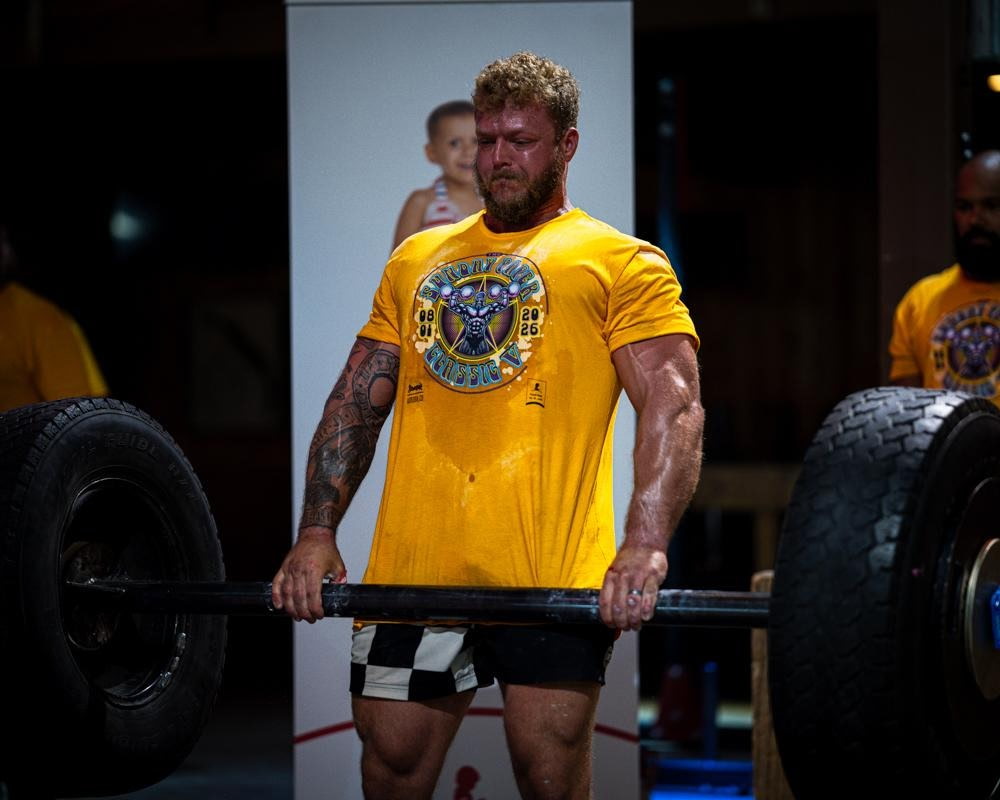
The deadlift is the purest test of raw strength. There is no eccentric phase, no bounce, no momentum—just you versus the weight. It is also the lift where most people can move the most absolute weight, making proper form critical for injury prevention.
Conventional deadlifts start with feet hip-width apart, positioned under the bar so it is over your midfoot. Grip the bar just outside your legs. As you set up, push your hips back, keep your chest up, and create tension throughout your entire body before you even try to move the weight.
The pull begins by driving your feet through the floor—think of it as a leg press rather than pulling with your back. Keep the bar close to your body throughout the entire movement. As the bar passes your knees, drive your hips forward to lock out the lift. Your shoulders should be slightly in front of the bar at the start and directly over it at lockout.
Common Technique Mistakes
The most common squat mistake is allowing your knees to cave inward during the ascent. This valgus collapse puts tremendous stress on your knee ligaments and robs you of power. Focus on actively pushing your knees out throughout the entire movement.
For bench press, the biggest error is bouncing the bar off your chest. While a controlled touch-and-go is acceptable, bouncing eliminates the strength-building portion of the lift and increases injury risk. Lower the bar with control, pause briefly at your chest, and press explosively.
Deadlift form breaks down most commonly when lifters try to muscle the weight up with their lower back instead of driving through their legs. This leads to the hips rising too quickly, leaving the back to do all the work. Remember: deadlifts are a full-body movement, not a back exercise.
Progressive Overload and Periodization
Perfect technique means nothing without a solid training program. Progressive overload—gradually increasing the stress placed on your body—is the foundation of strength training. This can mean adding weight, increasing reps, adding sets, or decreasing rest periods.
At Iron Warrior Gym, we use periodized programming that varies intensity and volume over time. This prevents plateaus, reduces injury risk, and ensures you peak at the right time for competitions. Our coaches design individualized programs based on your current strength level, goals, and competition schedule.
The Role of Accessory Work
While the big three are the foundation of powerlifting, accessory exercises build the supporting muscles that allow you to lift heavier weights safely. For squats, this includes exercises like Bulgarian split squats, leg press, and hamstring curls. Bench press benefits from overhead press, dips, and tricep work. Deadlifts improve with Romanian deadlifts, rows, and core strengthening exercises.
Training at Iron Warrior Gym
What sets Iron Warrior Gym apart is our equipment and expertise. We have dedicated powerlifting platforms, competition-spec barbells (including specialty bars like squat bars and deadlift bars), calibrated plates, and everything you need to train like a serious powerlifter. More importantly, we have coaches who have competed at high levels and understand the nuances of technique that make the difference between good and great.
Whether you are training for your first meet or chasing a national record, our community supports your journey. We celebrate PRs together, troubleshoot technique issues, and push each other to be better. That is the Iron Warrior difference.